Playing Keno in New Zealand: Rules and Payouts
 Available in US
Keno compares a player’s chosen numbers with a draw of 20 numbers from a pool of 80 to determine matches and potential prizes.

Table of Contents
- How a Keno Draw Works
- Keno in New Zealand: Draws, Entry and Online Access
- Keno Rules and When an Entry Closes
- Playing Keno Each Day in New Zealand
- How Keno Hits Translate into Prizes
- Keno Stakes and Prize-Table Entries
- Reading a Keno Payout Chart
- Keno Results, Frequency and Randomness
- What Can Be Established About the Maximum Keno Win?
How a Keno Draw Works
Keno is based on comparing a player’s chosen numbers with a set drawn from a larger, fixed pool. In Keno NZ, the pool contains 80 numbers, and a draw selects 20 of them. The result is therefore a defined group of drawn numbers, not a sequence in which players need to predict the order of appearance.
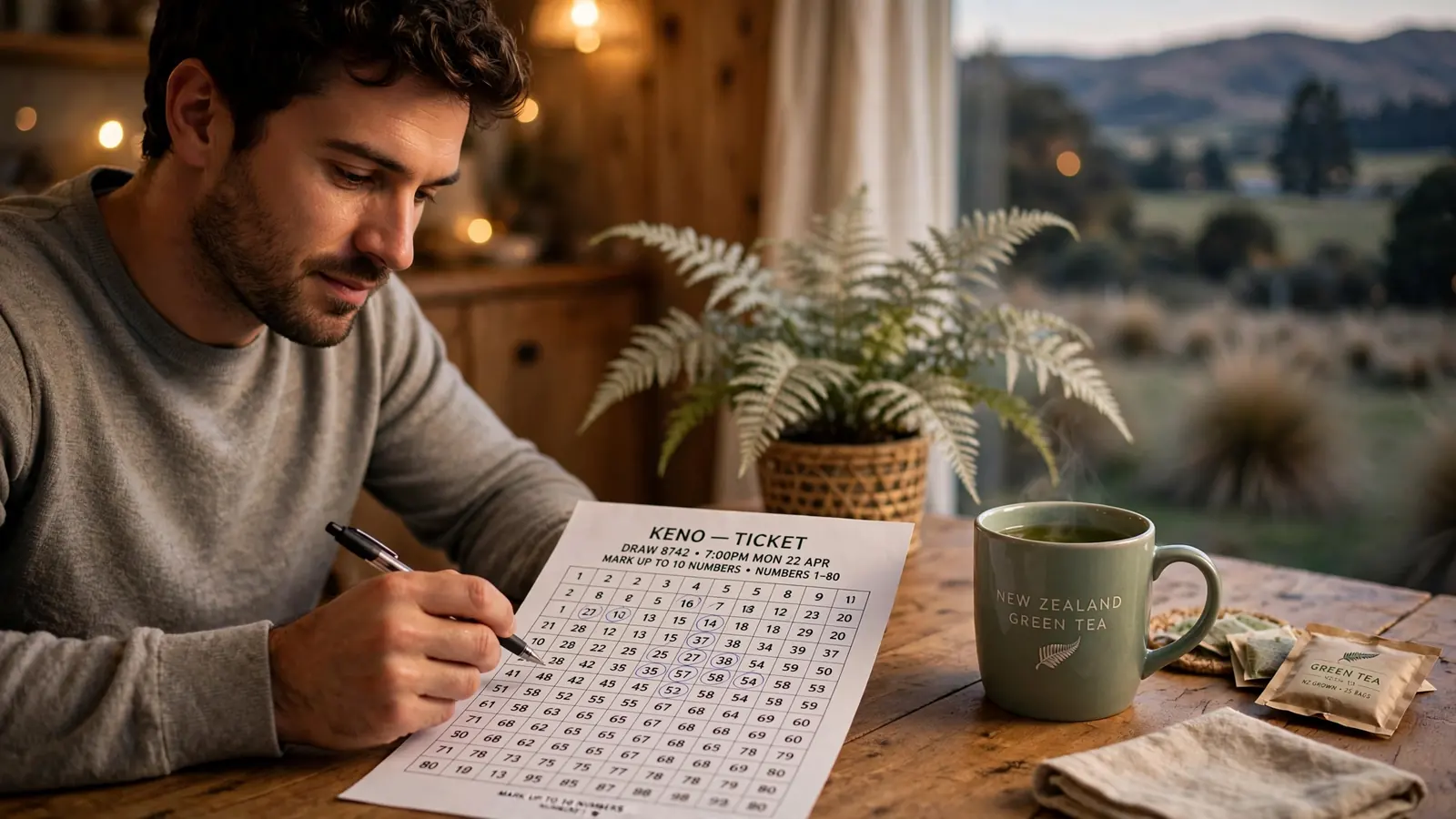
The basic process has two parts: number selection and the draw. A player marks numbers for an entry, then the drawn set is compared with that selection. Any number appearing in both sets is a match, often described as a hit. Numbers selected but absent from the drawn set do not match. The mechanic can be understood without assuming that any particular number is more likely to appear because it has been chosen by many players or has appeared in earlier draws.
The number of choices is smaller than the full pool. One description of Keno says players may select from one to ten numbers. However, descriptions of online Keno also give a different range: four to twenty numbers. Those ranges conflict, so they should not be treated as interchangeable or as a single universal rule. The applicable selection range depends on the version being described; the basic draw mechanic remains a comparison between chosen numbers and the 20 drawn from the pool of 80.

A simple way to picture the comparison is to treat the player’s selection as one set and the draw as another. Their overlap is the number of hits. If none of the selected numbers appears in the drawn set, there are no matches. If some appear in both, those shared numbers are the hits. If every selected number appears among the drawn numbers, every selection has matched. These descriptions explain the mechanics only; they do not state what a particular match count means for a prize.
The size of the selection changes the comparison, not the size of the draw. Whether an entry contains a small or larger group of chosen numbers, the Keno draw still consists of 20 numbers from the same pool of 80. More selected numbers create more possible points of overlap with the drawn set, while also changing the conditions against which the result is assessed. This is why the number chosen for an entry matters when interpreting a result, even though it does not alter which numbers are drawn.

A draw does not set aside numbers because a player has selected them. The player’s marked numbers and the draw are separate parts of the process: the draw supplies the result, and the comparison identifies matches afterwards. In that sense, number selection is not a way to influence the draw. It defines which outcomes count as hits for that entry.
It can help to distinguish the pool from the draw. The pool is the complete range from which the drawn numbers are taken. The draw is the smaller set selected from that pool on a particular occasion. A player’s selection is a third set, made for the entry. Confusing these three groups can make the game harder to follow: the pool is not the player’s selection, and the player’s selection is not the draw.
For instance, a player might mark a group of numbers within the available pool. After the draw, each marked number can be checked against the drawn set. A marked number that is also in the draw counts as a hit; one that is not present does not. No extra calculation is needed to understand this first stage. The result of the comparison is simply the number of selected numbers that overlap with the drawn numbers.
This also explains why a Keno result is not judged by whether the full pool has been represented. Only the drawn set is compared with the player’s chosen set. Numbers outside the drawn set do not contribute to the overlap, while numbers within it matter only if they were also selected. The mechanism is consistent regardless of the particular combination drawn.
Questions about how Keno works in New Zealand can therefore be answered at the level of mechanics without treating number choice as prediction. Keno NZ draws 20 numbers from a pool of 80; the entry identifies the numbers to compare against that draw. The count of shared numbers establishes the hit result. How that count relates to prizes is a separate matter from how the draw itself works.
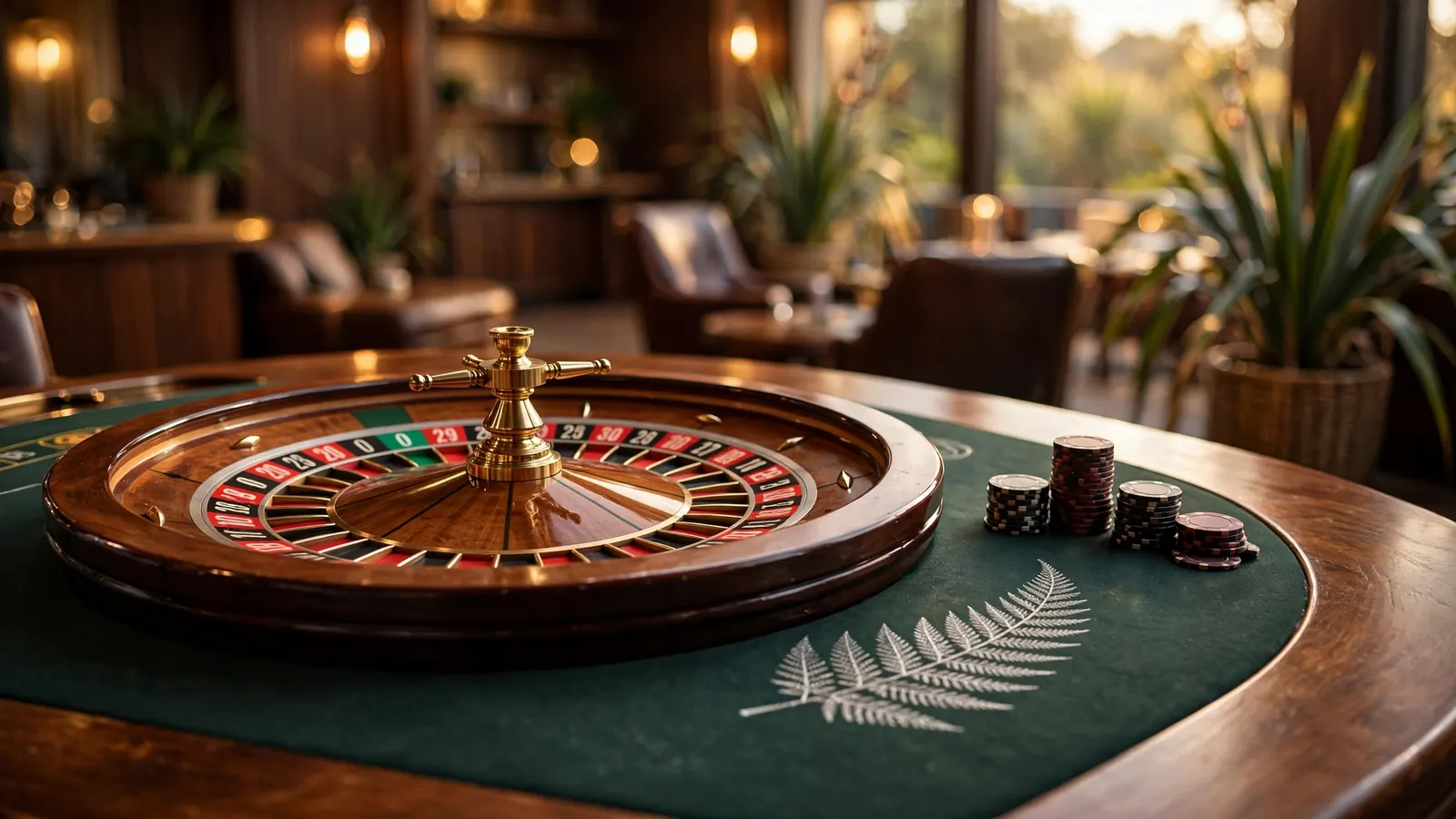
The draw mechanism does not make one selection inherently successful. Choosing numbers specifies the comparison set, but it does not change the pool or the number drawn. The outcome is determined by which numbers appear in the draw and which of those were included in the selection. This distinction is central to understanding Keno: the player chooses numbers for comparison, while the draw produces the set against which they are checked.
Keno in New Zealand: Draws, Entry and Online Access
Keno NZ is scheduled at four points each day: 10 am, 1 pm, 3 pm and 6 pm. These times describe the draw timetable; they do not determine which channels are available for entering a game. Access depends on where Keno tickets are legally sold and on the arrangements of the relevant provider.
A specialist review describes entry through an official lottery retailer, an app or a website in regions where Keno NZ tickets are legally sold. That account should be treated as a description of reported access, not as a guarantee that every channel is available in every location. It also does not establish that a casino app offers Keno NZ: lottery entry and online casino games are distinct matters.

The wider online environment is changing under the Online Casino Gambling Act 2026, which came into force on 1 May 2026. The Act creates New Zealand’s first domestic licensing framework for online casino gaming. It does not make domestic online casinos permissible under the earlier Gambling Act 2003; rather, it sets out a new regime and transitional arrangements for providers already serving people in New Zealand.
During the transition, providers that were operating in New Zealand before the Act took effect may continue until 1 December 2026, subject to the Act’s provisions. The full licensing system is not expected to be fully operational until 2027. Providers that have not applied for a licence must cease online casino gambling in New Zealand by 1 December 2026; a provider whose application is declined must stop operating in the market. Unlicensed operation is expected to become an offence around mid-2027.
Regulatory responsibilities are divided. The Department of Internal Affairs is New Zealand’s primary gambling regulator and oversees the online casino licensing framework. The Gambling Commission considers casino licence applications, decides whether to grant them and approves changes to licence conditions. These roles relate to the casino licensing regime; they should not be taken as evidence that a particular Keno entry channel is licensed or available.
Licensing Warning
Providers that have not applied for a licence must cease online casino gambling in New Zealand by 1 December 2026, as unlicensed operation is expected to become an offence around mid-2027.
Before the new Act, online casino gambling supplied from outside New Zealand was not licensed or supervised by a New Zealand regulator. Customers using offshore websites during that period had no domestic government recourse. The Act changes the regulatory framework, but the transition means that the full domestic licensing regime is not yet in operation. A reference to online access therefore needs to be read in the context of the provider’s status and the applicable transitional rules, rather than as a blanket statement about all websites or games.
The distinction matters because Keno NZ’s draw schedule and the regulation of online casino services concern different parts of the market. The four daily draw times identify when Keno takes place; they do not, by themselves, establish how a ticket can be purchased in a particular region. Availability should be assessed against the relevant lottery channel and the legal conditions applying to that channel.
Keno Rules and When an Entry Closes
For Keno in New Zealand, two practical conditions shape an entry: the number of selections permitted by the format and the time at which entries for a draw close. These conditions determine whether an entry can be placed for a particular draw; they do not describe how a draw is conducted or how a prize is calculated.

The stated selection range for online Keno is four to twenty numbers. A separate description of Keno gives a range of one to ten numbers. Those ranges conflict, so they should not be combined into a single set of rules or treated as interchangeable. The distinction matters because the permitted number of selections depends on which version or format is being described. The figures alone do not establish how the two descriptions relate to particular entry channels.
Accordingly, “Keno rules in New Zealand” is not adequately summarised by presenting one range as universal. The online Keno range is stated as four to twenty selections, while the other stated range is one to ten. Each should be understood as a distinct description, rather than as evidence that every Keno entry allows the same choices. No further conclusion about which range applies in a particular setting follows from those figures alone.
The closing time is more straightforward: entry for a Keno draw closes at that draw’s scheduled time. The cutoff is tied to the draw, not to a general daily deadline. An entry intended for a particular draw therefore has to be placed before that draw closes; once the scheduled time is reached, the entry window for it has ended. This is a practical rule about timing, separate from the number of selections on the entry.
- Check the selection range for the specific Keno format being used
- Place entries before the scheduled draw time
- Assume a single universal selection range applies to all versions
- Attempt to submit an entry after the draw has closed
For someone considering playing Keno in New Zealand in 2026, the distinction between selection range and cutoff is useful. The range concerns what can be selected under the relevant format. The cutoff concerns whether an entry can still be submitted for the intended draw. Neither rule supplies a reason to assume that a selection outside one stated range will be accepted, or that an entry can be added after the scheduled closing time.
These limits also help clarify what can be said about a Keno winner in New Zealand. A winning result does not alter the entry conditions that applied when the entry was placed. The selection range and the closing time are conditions of entry, not measures of whether a particular selection is likely to win. Treating them separately avoids confusing administrative requirements with the outcome of a draw.
The key point is therefore to read the stated selection range in the context of the format being described and to treat the scheduled draw time as the closing point for entries to that draw. The two conflicting ranges should remain explicit rather than being blended into a single rule. The closing-time condition, by contrast, applies to the intended draw: its entry window ends at the scheduled time.
Playing Keno Each Day in New Zealand
Choosing a keno site in New Zealand means checking the details available about each operator before you play. This list offers a concise reference to the specific licensing or payout information provided for each one.
Payout speed: 1-3 business days Wintino lists a payout speed of 1–3 business days.
License: Curaçao Gaming Authority, licence no. OGL/2024/165/0185 BitStarz lists a Curaçao Gaming Authority licence, number OGL/2024/165/0185.
License: Tobique Gaming Commission, licence no. 0000002 Ricky Casino lists a Tobique Gaming Commission licence, number 0000002.
License: Tobique Gaming Commission, licence no. 0000064 Neospin lists a Tobique Gaming Commission licence, number 0000064.
License: Tobique Gaming Commission, licence no. 0000091 7Bit Casino lists a Tobique Gaming Commission licence, number 0000091.
License: Malta Gaming Authority, licence no. MGA/B2C/394/2017 N1 Casino lists a Malta Gaming Authority licence, number MGA/B2C/394/2017.
License: 07017519840 · Payout speed: 1-3 business days Zotabet lists licence number 07017519840 and a payout speed of 1–3 business days.
License: Malta Gaming Authority, licence no. MGA/B2C/370/2017 Play Grand lists a Malta Gaming Authority licence, number MGA/B2C/370/2017.
Payout speed: 1-3 business days Lamabet lists a payout speed of 1–3 business days.
Keno NZ has four scheduled draws each day: 10 am, 1 pm, 3 pm and 6 pm. The fixed timetable gives the game a repeating daily rhythm, with several separate opportunities to enter rather than a single draw at the end of the day. Each time marks a distinct draw; an entry is associated with the draw selected when it is placed.
A practical routine begins with the intended draw time. Entries close at the scheduled draw time, so the relevant distinction is whether an entry has been placed before that point. The timetable can therefore guide when an entry is made, while the closing time determines whether it can be included in that draw. The daily schedule does not change the basic nature of the game: a new draw is a separate event, not a continuation of the previous one.
A specialist review describes Keno NZ entries as available through an official lottery retailer, a mobile app or a website in regions where tickets are legally sold. These channels provide different ways to access the same scheduled draws, but availability is regional. The review also notes that casino apps and mobile game selections are not uniform across providers; that point concerns casino platforms generally, not a guarantee that any particular platform carries Keno NZ.
The online setting in New Zealand is changing. The Online Casino Gambling Act 2026 came into force on 1 May 2026 and introduced a transitional period ending on 1 December 2026. During that transition, online casinos that were already serving people in New Zealand before the Act took effect may continue operating until the end of the period. The full domestic licensing regime is expected to become operational in 2027. This framework concerns online casino gambling; it should not be confused with the timetable for Keno NZ draws or taken as evidence that every online casino offers Keno.
Daily Entry Process
Determine which of the four daily draws (10 am, 1 pm, 3 pm, or 6 pm) you wish to enter.
Use an official lottery retailer, mobile app, or website available in your legal region.
Place your selection before the scheduled closing time of the chosen draw.
For a daily schedule, the relevant sequence is straightforward: identify the draw time, use an available entry channel in a region where Keno NZ tickets are legally sold, and place the entry before that draw closes. The times—10 am, 1 pm, 3 pm and 6 pm—are the recurring schedule. They describe when draws take place, not a promise that an entry can be submitted through every channel at every moment.
How Keno Hits Translate into Prizes
A Keno prize is determined by the relationship between the numbers selected for an entry and the numbers that appear in the draw. A hit is a selected number that is also drawn. The prize depends on both the number of hits and the number of numbers selected, so neither figure alone describes the outcome.
This means there is no single hit count that can be treated as a universal winning threshold. The same number of hits may have a different significance when the entry contains a different number of selections. Conversely, entries with the same number of selections can produce different prize outcomes if they record different numbers of hits. The relevant combination is the selection size together with the match count.
The prize rises as more of the selected numbers match those drawn. That relationship describes how hits affect the prize, but it does not establish a particular amount for any result. Nor does it mean that selecting more numbers guarantees a larger return: selection size is one part of the calculation, while the number of hits is another. A specific prize can be identified only by applying the applicable payout terms to both.
What a hit count can and cannot tell you
A hit count is a record of how many selections matched; it is not, by itself, a complete prize description. For instance, a count without the entry’s selection size leaves out a factor on which the payout depends. Likewise, knowing how many numbers were selected does not reveal the result until the drawn numbers are compared with them.

This distinction matters when interpreting claims about how many numbers are needed to win Keno NZ. The available prize logic does not support one fixed answer for every entry. A result has to be assessed in the context of its selections, its hits and the applicable payout terms. An isolated claim about a required number of matches may therefore be incomplete unless it also identifies the selection size and the relevant prize conditions.
The same qualification applies to questions about how much a Keno entry can win. The hit count and selection size determine the relevant outcome, but those two details do not provide a cash figure on their own. A payout schedule is needed to translate a particular combination into a stated prize. Without applying that schedule, a precise amount would be unsupported.
It is also important to separate the number of hits from the chance of obtaining them. A higher hit count corresponds to a larger prize under the stated prize relationship, but that does not make a high-hit result more likely. Prize value and probability answer different questions: one concerns what a result pays, while the other concerns how likely that result is to occur.

Why number frequency does not set the prize
References to hot, cold or most common Keno numbers can sound relevant to prize calculation, but historical frequency does not alter the next draw’s probabilities. Each draw is an independent random event. A number’s past appearances therefore do not make it more or less likely to appear in a later draw.
Frequency records may describe earlier outcomes, but they do not change how a future entry is matched or how its prize is assessed. A frequently drawn number does not count as an extra hit unless it is selected and appears in the draw. A number that has appeared less often is not made more likely to appear next. Neither label determines a prize in advance.
Accordingly, a method that treats recent frequency as a way to predict the next result cannot be used to establish a likely hit count. The prize relationship remains conditional: the drawn numbers must match the selections, and the resulting hits must be considered alongside the number selected. No particular selection or past pattern guarantees a prize.

The useful distinction is between outcome and prediction. Once a draw has occurred, hits can be counted and evaluated under the relevant payout terms. Before it occurs, past frequency cannot establish how many selections will match. Keno prize logic describes how a completed result relates to an entry; it does not provide a reliable way to forecast that result.
Keno Stakes and Prize-Table Entries
A standard Keno entry can be priced at one of several set amounts for each selection. The available choices are $1, $2, $3, $4, $5, $10, $20, $50 and $100 per selection. A line begins at $1, while the higher options represent larger costs for the same selection. The amount chosen is therefore a separate part of the entry from the numbers selected.
When a prize table is consulted, the stake denomination needs to be read alongside the entry details shown on that table. A value listed for one cost level should not automatically be treated as the value for another. The table’s labels determine which cost applies to the displayed prize figures; the stake itself does not alter how many numbers were selected.
This distinction matters when comparing Keno prizes in New Zealand. The number of selections and the stake are different details, and both may be relevant to locating the appropriate entry in a table. A prize figure cannot be interpreted accurately by looking at the stake alone. Nor does selecting a higher cost option establish what a particular outcome will pay: the relevant table entry must correspond to the game conditions stated there.
The listed amounts are not a continuous range. For standard Keno, the options move from the lower denominations to $10, then $20, $50 and $100. A cost between those listed choices should not be assumed to be available as a standard selection merely because it falls within the range. The amount shown for the entry is the useful reference when identifying its cost and comparing it with a prize table.
Standard Stakes
Standard Keno entry costs are available at set amounts: $1, $2, $3, $4, $5, $10, $20, $50, and $100 per selection.
A Keno prize table for New Zealand may display more than one stake level, or it may be presented for a particular cost setting. The heading and row labels should therefore be considered together before a figure is read. If the denomination is unclear, the displayed prize amount cannot safely be assigned to a different stake by assumption. This is especially important when a table is reproduced or viewed separately from the entry information that explains its units.
The same approach applies when a table is described as current: its date or applicable version and its stated stake basis need to be clear. A current-looking label alone does not show which cost level the figures represent. The cost of a Keno entry can be identified from its selected denomination; interpreting a prize figure requires checking that denomination against the table’s own labels.
Reading a Keno Payout Chart
A Keno payout chart maps a selection size and a hit count to the prize associated with that outcome. Its figures are not interchangeable across rows: the same number of hits can correspond to different prizes depending on how many numbers were selected. A chart therefore needs to be read by locating both details, rather than by looking at the hit count alone.
The first step is to identify the row for the number of selections in the entry. The columns, or the equivalent labels in a digital table, show the possible hit counts for that selection size. The value at the intersection of the relevant row and hit count is the listed prize. If the chart is organised in the opposite direction, the same logic applies: find the matching selection count and hit count, then read their intersecting value.
This layout matters because Keno prizes depend on both variables. A chart entry cannot be interpreted as a general rate for each hit, and a value from one selection row should not be carried across to another. An entry with a particular hit count must be assessed against the row that represents its own selection size.

A Keno payout chart in New Zealand may be presented as a printed table or a digital display. In either format, the headings define what each row and column means. The displayed values should be read only within that structure; a number without its row and column context does not identify a prize.
For a chart described as current, the date or version shown with it is relevant. The word “today” alone does not establish that a table applies to a particular entry: the displayed chart needs to match the game and its applicable terms. No single payout figure can be inferred from the chart’s general format, since the relevant intersection changes with the selection count and hits.
The chart is a reference for interpreting an outcome, not a way to identify which result will occur. Its role is to show how the listed prize corresponds to a combination of selections and hits. Comparing entries is meaningful only when the same chart basis is used and both dimensions are aligned.

Keno Results, Frequency and Randomness
Published Keno NZ results record the numbers drawn in a particular game. They establish the outcome of that draw; they do not show that a number is becoming more or less likely to appear in a later one. Draws take place at 10 am, 1 pm, 3 pm and 6 pm, giving each result a defined place in the daily schedule.
Frequency tables and statistics can summarise past outcomes by showing how often particular numbers appeared over a stated period. Such summaries describe the data examined, rather than identify numbers with an advantage in a future draw. A number appearing often in a historical record is not thereby due to appear again, and one appearing less often is not thereby due to catch up.
The reason is the independence of each draw. Keno results are random, and the probability of a number appearing in the next draw is not altered by its previous frequency. A record of earlier results can therefore be useful for checking what happened or describing past outcomes, but it cannot establish a predictive pattern. Treating a short run or a long-term frequency as a signal confuses a description of previous draws with evidence about the next one.
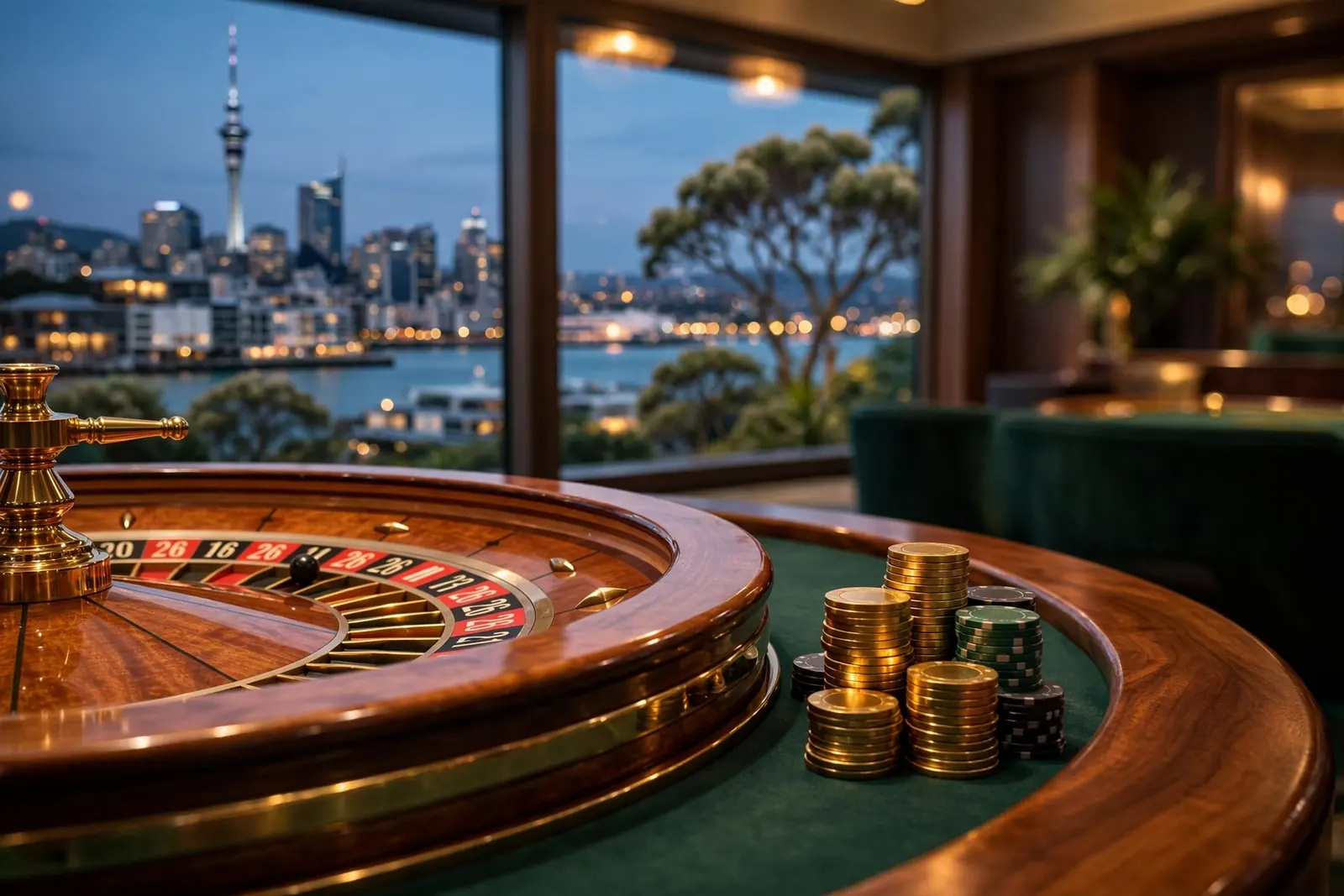
References to Keno winners in New Zealand should be read in the same way. A reported winning result identifies an outcome associated with a particular draw; it does not demonstrate that the numbers involved are more likely to recur. Nor does a collection of winning results, by itself, provide a method for forecasting future outcomes. Each draw remains a separate random event.
The distinction matters when statistics are presented alongside results. A frequency count may be accurate for the period it covers, yet still have no bearing on the probability of the next appearance. Results answer what was drawn; frequency summaries describe how often outcomes occurred in recorded draws. Neither changes the random character of the following draw.
What Can Be Established About the Maximum Keno Win?
Keno prizes are linked to two features of an entry: how many numbers were selected and how many of those selections match the draw. A greater number of matched selections is associated with a higher prize. These rules describe how outcomes relate to one another, but they do not, by themselves, define a maximum cash amount.

The phrase “maximum Keno win” can refer to the largest prize listed for a particular game or prize table. It should not be treated as a universal figure without identifying the applicable table and its terms. A payout depends on the combination of selection size and hits, so a headline amount detached from those conditions would not explain what outcome it applies to.
Nor does a larger selection automatically establish a particular top prize. Selection size is one part of the payout relationship; the number of hits is another. The relationship provides no basis for treating any selection as a reliable route to the highest award. Each draw remains random, and the prize structure does not make a result predictable.
For an accurate maximum, the relevant prize table must state the top amount and the entry conditions attached to it. Without those details, the defensible description is limited to the structure: Keno rewards depend on selected numbers and matching hits, with more matches linked to a higher prize. No precise maximum follows from that relationship alone.
How do you play Keno in New Zealand?
Choose numbers for your entry, then compare them with the 20 numbers drawn from the pool of 80. The numbers appearing in both sets are your hits.
What time is the Keno draw held?
New Zealand Keno draws are held at 10 am, 1 pm, 3 pm and 6 pm each day. Entries close at the scheduled draw time.
Do these numbers improve my odds?
No. Each draw is independent, so numbers that appeared often in the past are no more likely to appear in the next draw.
Created by the ”Casino Adviser NZ” editorial team.